Life Skills That Last: How Everyday Routines Build Long-Term Independence

Introduction
Independence is not something that arrives all at once. For children on the autism spectrum, it is built one repeated, practiced, supported routine at a time.
At Hearts of Hope, life skills development is not a supplementary activity. It is woven into every single hour of the day, because we believe the most powerful classroom a child can have is the one that looks exactly like real life.
“Good routines gives children the energy to learn, play, and grow with confidence.”
This simple truth shapes how we design our programs.
What Life Skills Programming Actually Looks Like
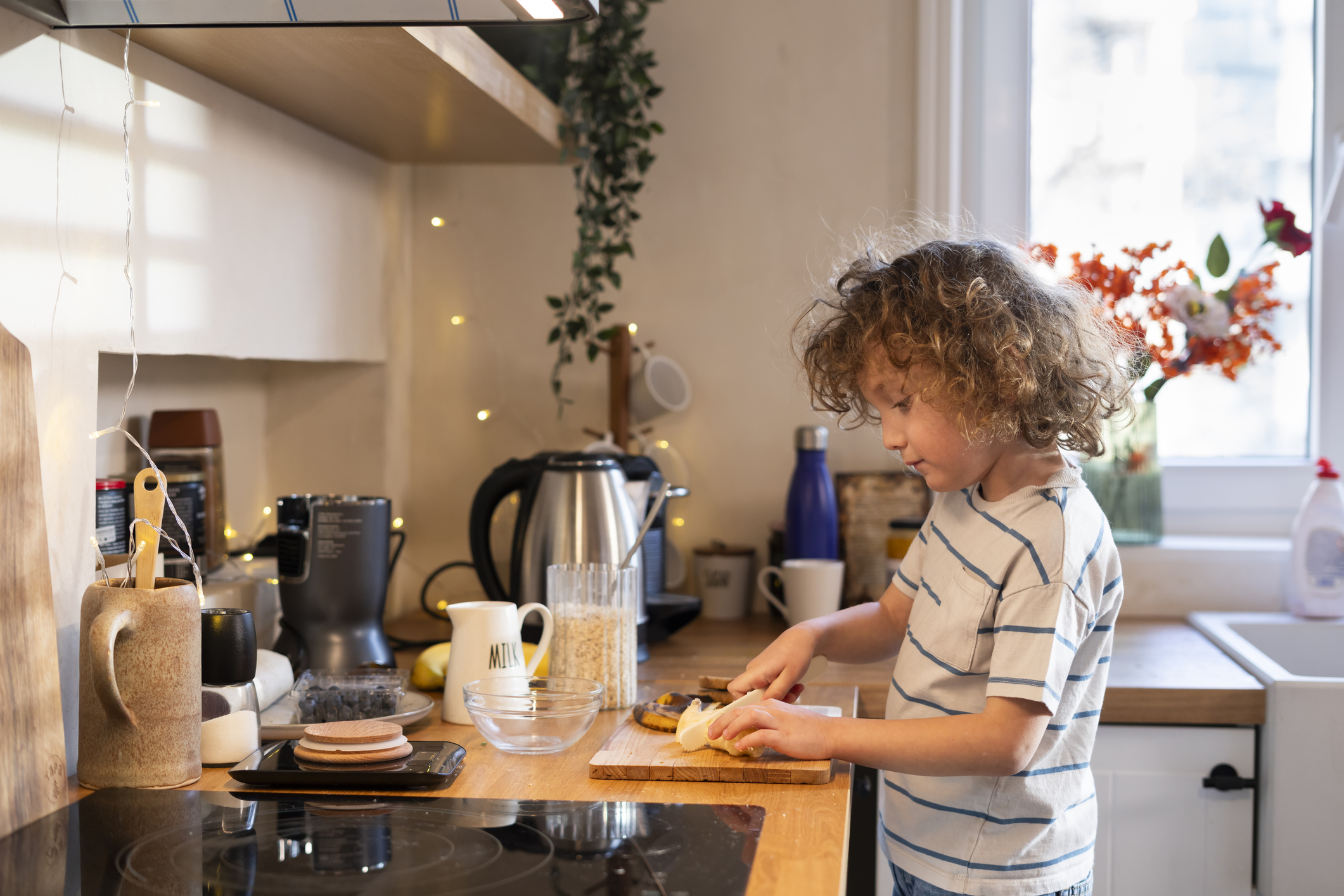
Every morning at Hearts of Hope, children practice the same routines: personal hygiene, getting dressed, preparing and eating breakfast, and tidying their space. These are not chores. They are structured opportunities to build the muscle memory of independence.
Repetition is intentional. When a child practices the same task in the same order with the same supportive caregiver, the task gradually stops feeling overwhelming and starts feeling manageable. Then familiar. Then theirs.
Why Everyday Routines Matter Most
Big therapeutic breakthroughs matter. But so does knowing how to pack a bag, wash your hands without being reminded, or sit down to a meal without dysregulating.
These are the skills that determine how much independence a young person can carry into school, into a family setting, and eventually into adult life. We keep that long view in mind every time we help a child button a shirt or set the table.
Why It Matters
Children who adopt these life-skills are more resilient, attentive, and ready to learn. By supporting this notion, we help children build a stronger foundation for their future.


